Rejoice: A Designer’s Real-World Embroidery Review
First Impressions: Joy That Lands, Not Just Looks Pretty
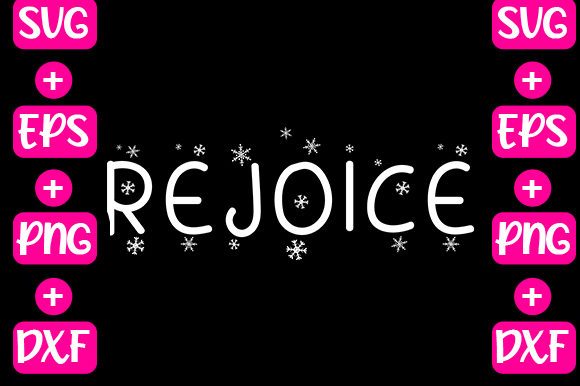
When I opened Rejoice for the first time—prepping it for a custom embroidered linen tote bag for a local boutique—I didn’t just scan the file. I paused. The shape is clean and centered, with gentle curves and open negative space—not fussy, not cramped. It reads as celebratory without leaning into cliché. No overblown script or glittery embellishments. Just confident, balanced letterforms and subtle visual rhythm. As a machine embroidery design, it feels *intentional*: like someone considered how thread would flow, where satin stitch edges would catch light, and where fill stitch density might need breathing room.
This Isn’t Just a T-Shirt Design—It’s a Handmade Product Anchor
I’ve used Rejoice on three very different real projects: a baby onesie (cotton interlock), a heavyweight unisex sweatshirt (brushed fleece), and a woven cotton apron for a bakery’s staff gift line. In every case, it held up—not because it’s “perfect,” but because its simplicity works *with* fabric, not against it. On the onesie, I paired it with a lightweight tear-away stabilizer and soft pastel threads; the result felt tender and personal, not stiff or commercial. On the sweatshirt, the design’s moderate width and even stroke weight kept the embroidery from sinking into the nap. And on the apron? That open layout meant no dense fill zones to stiffen the pocket area—critical for function and feel.
Where Rejoice Shines—and Where It Needs Your Attention
Rejoice excels in contexts where clarity and warmth matter more than flash: nursery decor, wedding guest towels, boutique-branded tea towels, personalized graduation gifts, and small-shop merchandise that leans into authenticity over trend-chasing. It reads well at 3.5"–4.5" wide—the sweet spot for tote bags, pillow covers, and front-of-cap placement (though cap use requires careful hooping and a low-profile underlay).
That said, it’s not universally forgiving. On thin or stretchy fabrics—like lightweight jersey tees or rayon-blend scarves—I recommend testing stitch density first. Some versions of Rejoice (especially if converted from SVG without optimization) can run slightly dense in curved letter junctions. Also, avoid placing it directly over seams or high-curve areas like shoulder yokes without extra stabilization. And while it works beautifully on dark fabric with high-contrast thread, don’t assume white-on-black will pop equally on all black substrates—test on your exact fabric batch.
Design Integrity Meets Commercial Practicality
As an embroidery file, Rejoice supports brand consistency without demanding perfection from the maker. Its clean lines translate reliably across thread colors—navy, charcoal, terracotta, sage—all retain legibility and mood. That matters when you’re listing on Etsy or prepping for a craft fair: customers respond to coherence, not clutter. I’ve seen buyers comment specifically on how “calm” and “thoughtful” the finished product feels—something you rarely hear about generic graphics. That emotional resonance lifts perceived value, builds trust, and makes the handmade product feel intentional, not incidental.
For craft business owners, Rejoice is quietly versatile. Use it as-is for minimalist apparel, layer it behind a simple floral applique design for depth, or scale it down for embroidered patches on denim jackets. It also holds up well in printable mockups—its contrast and spacing make it easy to visualize on mugs, cards, or vinyl decals, even though its core strength remains in stitch-based execution.
What Every Embroidery Designer Should Test Before Stitching
- Run a scrap test—not just on plain muslin, but on your actual project fabric, with your intended stabilizer and thread colors.
- Check small details in the letter terminals and inner curves. If they look fragile on screen, they’ll likely need slight digitizing tweaks for dense stitching.
- Review hoop size compatibility. Most versions fit comfortably in a 4"x4" hoop, but verify before committing to a large batch.
- Compare light/dark background mockups. Does the design lose warmth on black? Does it fade on ecru? Adjust thread saturation accordingly.
- Confirm licensing terms before selling finished items or bundling Rejoice into digital product kits—especially important for Etsy sellers and digital embroidery file resellers.
Final Thought: Rejoice Is a Quiet Workhorse
This isn’t a showstopper design built for viral reels. It’s the kind of embroidery file that earns repeat orders because it delivers—consistently, warmly, professionally. Whether you’re stitching a single personalized gift or producing 50 branded sweatshirts for a small shop launch, Rejoice supports your craftsmanship instead of competing with it. It respects the fabric, the thread, the machine, and the person wearing or gifting the finished product. That’s rare. And that’s why, after six months of real-world use across baby embroidery, holiday embroidery, and commercial embroidery jobs, Rejoice remains one of my go-to design assets—not for its novelty, but for its quiet reliability.