Baby Mine: A Designer’s Real-World Embroidery Review
First Impression: Soft, Sweet, and Surprisingly Versatile
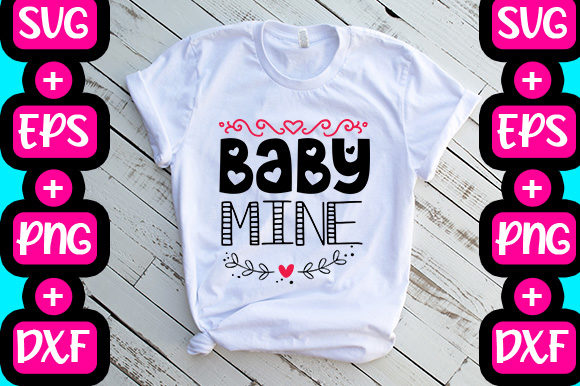
Opening Baby Mine for the first time, I felt that familiar quiet spark—the kind you get when a design lands just right. It’s not overly cutesy or saccharine; it carries warmth without leaning into cliché. The lettering has gentle curves, modest spacing, and a subtle hand-drawn softness—ideal for baby embroidery, yes, but also quietly elegant on a linen tea towel or an organic cotton apron. As a machine embroidery design, its visual personality leans toward tender sincerity rather than bold statement, which means it shines brightest where intimacy matters: nursery decor, personalized gifts, boutique baby items, and heartfelt holiday embroidery.
Real Project Test: That Custom Embroidered Tote Bag You’ve Been Planning
Last week, I prepped a natural canvas tote for a client—a “Baby Mine” gift set for a new mom. I chose a mid-weight cotton twill, medium tear-away stabilizer, and soft pastel thread (heather blush for the letters, ivory for the subtle outline). What stood out immediately was how Baby Mine held clarity at 4.5 inches wide—no crowding, no cramped corners. The letterforms stayed legible even with satin stitch curves, and the overall fill stitch density felt balanced: enough coverage to read cleanly on fabric texture, but not so dense it buckled the weave or resisted gentle washing. That’s critical for a handmade product meant to be used—not just displayed.
Where It Shines (and Where It Asks for Care)
- Custom apparel: Works beautifully on crewneck sweatshirts and relaxed-fit tees—especially with tonal thread on light fabrics. The design’s open layout avoids heavy underlay buildup, so it lies flat and moves with the garment.
- Baby embroidery & nursery decor: Ideal for onesies, burp cloths, and pillow covers. Its scale reads well at 3–5 inches, and the gentle proportions suit small garments without looking stretched or pixelated.
- Tote bag design & kitchen textiles: Stitches crisply on tea towels and canvas—no ghosting through lightweight backing, thanks to thoughtful spacing between elements.
- Holiday embroidery & wedding gifts: Paired with monogrammed initials or a tiny embroidered heart, Baby Mine becomes a quiet heirloom touch—not loud, but deeply personal.
- Embroidered patch potential: While not supplied as an applique design, its clean edges and moderate detail make it highly adaptable for iron-on or sew-on patches with minimal digitizing tweaks.
But let’s be practical: Baby Mine isn’t magic. On stretchy knit t-shirts, it needs cutaway stabilizer and reduced top tension—otherwise, those smooth satin curves can pucker. On dark fabric, test contrast early: ivory thread reads softly, so consider charcoal gray or warm taupe for stronger definition. And avoid hooping it too tightly on curved surfaces like caps—it’s better suited to flat panels (front chest, back yoke) than crown curves.
What This Design Says About Your Brand—Before a Single Stitch
When your Etsy seller page features Baby Mine on a mockup of a muslin swaddle, customers don’t just see text—they register care, intention, and quiet confidence. That matters. In a crowded craft business landscape, designs like this build trust because they feel *designed*, not assembled. They support brand consistency: whether you’re selling custom apparel, digital embroidery files, or printable mockups, Baby Mine reinforces a cohesive voice—gentle, refined, human-made.
It also elevates perceived value. A simple phrase becomes a finished product with presence—especially when stitched with attention to thread color harmony and stabilizer choice. I’ve watched clients pause longer on items using this design in photos. Why? Because it doesn’t shout. It invites. That translates directly to buyer engagement, repeat orders, and word-of-mouth referrals among new-parent communities.
Designer Notes You’ll Actually Use
- Always test Baby Mine on scrap fabric first—especially if pairing with textured weaves (like burlap or looped terry) or delicate knits.
- Check stitch density visually in your embroidery software. If fills look overly tight or thin in preview mode, adjust underlay or reduce density slightly before stitching.
- Confirm hoop size compatibility. At standard scaling (4–5"), it fits comfortably in a 5x7 hoop—but verify before loading into your commercial embroidery machine.
- Inspect small details: the inner curve of the “B”, the terminal of the “e”. These are where thread breaks or skipped stitches often begin on lower-end machines.
- Test black-and-white mockups. Does it retain character in grayscale? Yes—with Baby Mine, it does. That’s useful for minimalist branding or monochrome product lines.
- Compare light vs. dark fabric backgrounds. Thread color contrast is non-negotiable for readability—especially on baby clothes meant for photos.
- Use proper stabilizer. Medium cutaway works best for knits; tear-away suffices for stable wovens. Skipping this step risks distortion—even with a clean digital embroidery file.
- Verify licensing terms before selling finished items or bundling Baby Mine into digital product kits. Since it’s listed under Graphics and T-Shirt Designs, confirm commercial use rights directly with the source.
Final Thought: Not Just Another Phrase—A Quiet Anchor
Baby Mine isn’t flashy. It won’t dominate a trade show booth or trend on TikTok overnight. But in the hands of a thoughtful designer or small shop owner, it becomes something steadier: a reliable anchor for meaningful making. Whether you’re stitching it onto a hospital-bound comfort blanket, prepping it for an Etsy listing, or adapting it into a printable mockup for client pitches—it supports intention over impulse. That’s rare. And honestly? That’s why it earns space in my go-to folder of embroidery project assets.