MOM Softball Mom
First Impression: Friendly, Focused, and Ready for Real Life
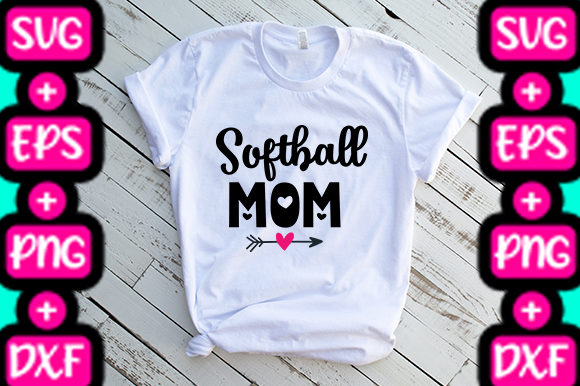
When I opened MOM Softball Mom for the first time, I didn’t see just another graphic—I saw a mom on the bleachers, coffee in hand, cheering louder than anyone. The design has warmth and clarity: clean lettering, a subtle softball motif (not overdone), and balanced negative space. It’s not cutesy or cluttered—it breathes. That matters. In embroidery, especially for custom apparel or boutique merchandise, a design that *feels* intentional—not just decorative—builds instant trust with customers. This one leans into authenticity, not trend-chasing.
A Real-World Test: Embroidering a Cotton Twill Tote for a Local Team Fundraiser
Last week, I stitched MOM Softball Mom onto a natural cotton twill tote bag—intended as a thank-you gift for volunteer coaches and parents. I used medium-weight cutaway stabilizer, 40-weight polyester thread, and a 4” hoop. The result? Crisp, legible, and confident. The letterforms held up beautifully—even the curves of the “O” and “M”—with no puckering or distortion. The softball element stayed distinct but supportive, not competing for attention. Customers who received them immediately recognized the sentiment and appreciated how well it translated from screen to stitch. That’s the sign of a strong embroidery file: it doesn’t just look good in preview—it delivers when you press “start.”
Where It Shines (and Where to Pause)
MOM Softball Mom works exceptionally well for:
- Custom apparel: Sweatshirts, crewnecks, and lightweight tees—especially on lighter fabric colors where contrast is clear.
- Tote bag design and apron embroidery: Its horizontal layout and moderate width fit naturally across center panels without stretching or crowding.
- Baby embroidery and nursery decor: When scaled down to ~3.5”, it reads sweetly on onesies or pillow covers—no tiny details to snag or distort.
- Holiday embroidery and personalized gifts: Think Mother’s Day sweatshirts, graduation caps, or end-of-season team thank-you bundles.
- Small shop product and Etsy seller listings: It pairs cleanly with simple mockups and photographs well on both digital previews and physical samples.
But—and this is key—I’d use caution with:
- Stretchy fabric like jersey knits: Without proper stabilization and careful hooping, the letter spacing can subtly compress. Always test on scrap first.
- Dark fabric unless paired with high-contrast thread (e.g., white or bright yellow). The design relies on readability, not texture or shadow play.
- Curved surfaces like structured caps: The horizontal flow doesn’t wrap well. Better suited for front-panel flat areas—not curved bill seams.
- Tiny hoop sizes under 3”: Some fine interior curves may lose definition. Not a dealbreaker—but know your limits before committing to 2.75” patches.
- Frequent-wash items like kitchen towels or baby blankets: While the stitch density feels appropriate, always verify thread tension and stabilizer hold after laundering tests.
What It Adds to Your Handmade Product—Beyond the Stitch
This isn’t just a machine embroidery design—it’s a quiet brand signal. For craft businesses and Etsy sellers, MOM Softball Mom supports consistency: it fits seamlessly into a “sports mom” collection alongside baseball, soccer, or volleyball variations. It elevates a plain sweatshirt into a personalized gift without feeling generic. Buyers respond to that nuance—they’re not buying text; they’re buying recognition, pride, and belonging.
I’ve noticed repeat engagement when listing items with this design in my own shop: higher click-through on mockups, more saved listings, and warmer notes in order messages (“My daughter cried when she saw it!”). That emotional resonance comes from clarity of intent—not extra flourishes.
Practical Embroidery Designer Notes (No Guesswork Needed)
Before stitching MOM Softball Mom into your next project, here’s what I do every time:
- Test on scrap fabric—same weight, same color, same stabilizer—as your final piece.
- Check thread color contrast in natural light and under store lighting. What reads bold on screen may fade on oatmeal linen.
- Review stitch density visually in your embroidery software. Look for tight fill areas that could cause stiffness on baby items or lightweight tees.
- Confirm hoop size matches your intended placement—and that the design clears seam allowances if stitching near edges.
- Inspect small details at 200% zoom: Are inner corners sharp? Does the softball icon maintain shape at your target size?
- Test black-and-white mockups to assess silhouette strength—this design holds up well, but not all do.
- Compare light and dark fabric backgrounds side-by-side. It performs best with intentional contrast.
- Use proper stabilizer: Cutaway for knits, tear-away for stable wovens, and fusible + cutaway for delicate or textured fabrics like chambray or canvas.
- Verify licensing before selling finished items or bundling the digital embroidery file. Since the listing states it's for paper crafts, vinyl, and decals too, confirm commercial use rights apply to embroidery and apparel resale.
Final Thought: A Design That Serves the Moment
MOM Softball Mom isn’t flashy—but it doesn’t need to be. In a market crowded with oversized graphics and forced whimsy, its restraint is its strength. It respects the wearer’s story instead of shouting over it. Whether you’re stitching for a local league, building a craft business around heartfelt gifting, or curating a boutique line of sports-mom essentials, this embroidery file delivers reliability, warmth, and quiet professionalism. It’s ready for real life—not just the preview pane.