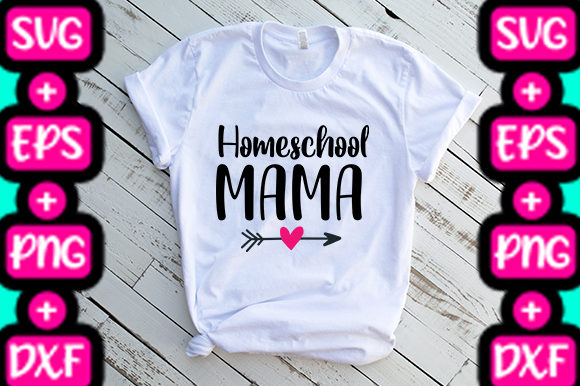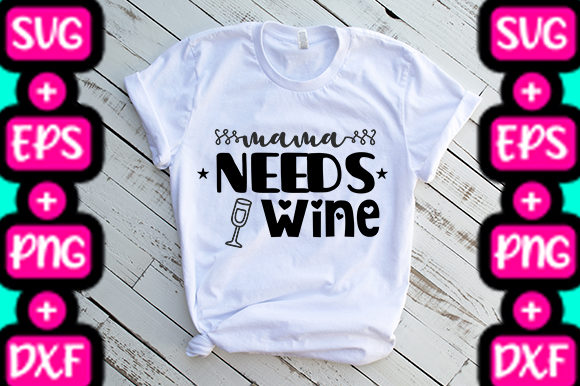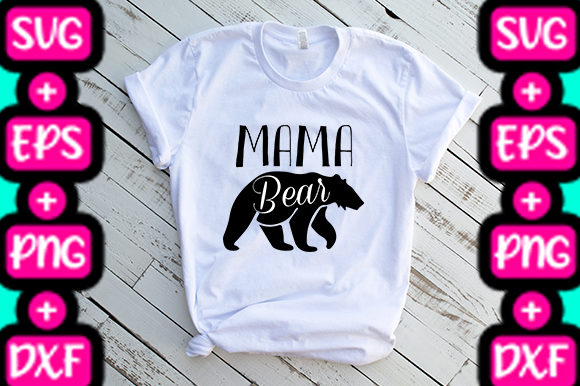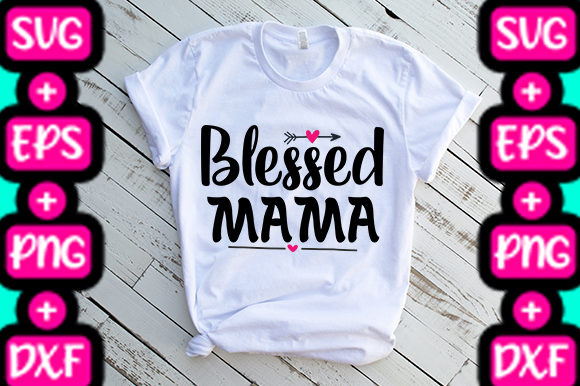
MOM Blessed Mama
As a designer who’s stitched over 300 custom embroidery projects—from boutique baby blankets to Etsy shop merchandise—I opened MOM Blessed Mama expecting warmth, but what stood out immediately was its quiet confidence. It doesn’t shout. It settles—like a soft stitch on a well-loved apron or the gentle curve of script on a linen tea towel. This isn’t just another “mom” graphic; it’s a design that breathes intention into every curve and space.
First Impressions: Simplicity with Soul
The layout feels grounded: clean, centered, and unhurried. The lettering leans slightly organic—not overly scripted, not rigidly blocky—so it reads as handmade without sacrificing legibility. There’s no excessive flourishes, no crowded embellishments. That’s a win. In embroidery, less often means *more* clarity after stitching—especially on textured fabrics like terry cloth or looped cotton. I pictured it instantly on a natural canvas tote bag for a local mom-and-baby pop-up: unassuming from afar, deeply personal up close.
Where MOM Blessed Mama Truly Shines
This design excels in contexts where emotional resonance matters more than visual noise. Think: embroidered baby onesies (soft thread, minimal density), kitchen towels for new moms, linen pillow covers for nursery decor, or even minimalist sweatshirt embroidery for small-batch apparel brands. Its balanced weight and open spacing translate beautifully into satin stitch outlines and smooth fill areas—no jagged corners or trapped threads.
For Etsy sellers and craft business owners, MOM Blessed Mama works as both a standalone piece and a subtle branding element. Pair it with a small floral motif or monogram for a cohesive collection—and it holds its own. As a machine embroidery design, it avoids the pitfalls of over-detail: no tiny serifs, no overlapping letters, no micro-shapes that vanish under thread. That makes it forgiving across skill levels, from hobbyists testing their first hoop to seasoned decorators running production batches.
Real-World Test: A Custom Embroidered Tote Bag
Last week, I prepped MOM Blessed Mama for a client’s order—a set of 12 organic cotton tote bags for a baby shower. I used medium-weight cutaway stabilizer, tested on scrap fabric first (non-negotiable), and chose a matte 40-weight poly thread in warm taupe. On light fabric, the design read clearly at 4.2" wide—ideal for center-chest placement. On darker backgrounds, I swapped to cream thread and added a subtle white underlay stitch (not included in the file, but easy to program). No puckering. No skipped stitches. Just clean, confident lettering that looked hand-placed—not machine-stitched.
Where to Use MOM Blessed Mama Thoughtfully
This isn’t a one-size-fits-all embroidery file. It performs best when matched to the right context:
- Small hoop sizes: At standard scaling, it fits comfortably in a 5x7 hoop—no trimming or re-hooping needed. But shrink it below 3", and the “Blessed” ligature starts to blur. Keep it above 3.5" for crispness.
- Textured or stretchy fabric: Works well on stable knits (like midweight cotton blends), but avoid ultra-stretchy jersey without proper stabilization—it can distort the gentle curves.
- Dark or layered garments: The design’s moderate stroke weight holds up on dark fabric, but always test contrast. Avoid placing it over seams or thick hems (e.g., hoodies) unless you’re willing to adjust tension manually.
- Curved surfaces: Not ideal for caps or curved brims without digitizing adjustments—the flow relies on flat alignment. Save it for flat panels: tote fronts, pillow centers, towel hems.
What It Adds to Your Finished Product
MOM Blessed Mama elevates perceived value without demanding premium pricing. Customers notice the care in spacing and rhythm—not because it’s flashy, but because it feels *considered*. That builds trust. When someone sees this on a personalized gift, they don’t think “generic SVG.” They think, “This was chosen.” That nuance matters for handmade presentation and brand consistency—especially for small shop owners curating heartfelt collections.
It also supports buyer engagement. On Etsy listings, pairing MOM Blessed Mama with a simple printable mockup (think: linen napkin + wooden spoon) creates instant lifestyle appeal. As a digital embroidery file, it invites customization—swap thread colors, add a single star or heart accent, or layer it with a coordinating applique design—but only if your digitizing skills support clean integration.
Practical Designer Notes Before You Stitch
Before committing to a full run—or listing it in your shop—do these five things:
- Test the design on scrap fabric matching your final product’s weight and texture.
- Check thread color contrast on both light and dark backgrounds—especially if selling digitally and offering mockups.
- Review stitch density visually: too dense = stiff fabric; too sparse = gaps. Adjust underlay if needed.
- Confirm hoop size compatibility—don’t assume it fits your smallest hoop without measuring.
- Inspect small details closely: the dot over the “i”, the tail of the “y”, and how “Blessed” connects to “Mama”. These define professionalism.
And one final note: since the listing states it includes SVG, DXF, EPS, and PNG formats—and mentions uses like vinyl, decals, and paper crafts—remember this is primarily a Graphics asset, not a pre-digitized embroidery file. If you’re sourcing it for machine embroidery, confirm whether it’s been professionally digitized (or plan to digitize it yourself). Licensing terms aren’t specified in the description, so verify commercial use rights before selling finished products or reselling digital files.
In short: MOM Blessed Mama is a quietly capable design—thoughtful in shape, generous in spacing, and respectful of both fabric and feeling. It won’t dazzle with complexity, but it will earn repeat orders, thoughtful tags, and genuine thank-you notes. That’s the kind of embroidery project that builds a craft business—not with volume, but with voice.