How 2021 Tribe Reads on Fabric and Thread
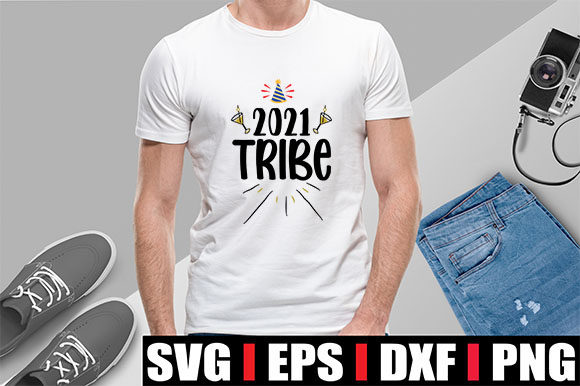
I pulled up 2021 Tribe on my screen this morning with a specific project already in mind. A client had asked for a custom tote bag design that felt communal, warm, and slightly nostalgic. The kind of graphic that makes someone stop at a craft fair table and say, "That one — that feels like my people." Within a few seconds of studying the layout and the way the letterforms interact with the visual elements in this file set, I knew the direction I wanted to take. It has that rare balance of being bold enough to read clearly at a glance but soft enough to feel personal rather than loud.
What struck me first was the personality baked into the shape and spacing. This is not a sterile typography exercise. The way "Tribe" anchors the design gives it a sense of belonging and togetherness without drifting into anything overly sentimental. I see a clean, modern shape language here that could translate beautifully into thread, especially if you lean into the right stitch type and thread palette. The Graphics category makes total sense once you see the file lineup — PNG, SVG, EPS, DXF, and JPAG — because this design clearly wants to move across mediums. Paper, vinyl, fabric, mugs, and yes, embroidery. But I am reviewing this strictly through the lens of someone who will stitch it out, wash it, and hand it to a paying customer.
First Impressions of the Design Mood
There is something grounded and quietly confident in the rhythm of this design. It avoids trends that will date quickly. If you are a small shop owner building a brand around intentional living, family connections, or close-knit community themes, 2021 Tribe slots into that story immediately. I could picture this on a soft cream sweatshirt, stitched in a muted terracotta or deep olive thread. It would also hold up beautifully on a structured canvas tote, maybe with a lightweight fill stitch that lets the fabric texture peek through slightly.
The visual weight feels evenly distributed. No awkward gaps or overly dense clusters that would cause puckering once hooped. From a digitizing standpoint, the balance between positive and negative space matters enormously, and this design appears to respect that principle. I would want to test the smallest decorative accents at actual stitch size before committing to a production run, but the overall structure gives me confidence.
Where This Design Naturally Belongs
If I were listing products tomorrow, here is exactly where I would place 2021 Tribe first. Tote bags, obviously. The rectangular canvas panel on a standard tote is forgiving and flat, which makes it ideal for a design with this kind of horizontal presence. I would also put it on unisex sweatshirts, the slightly oversized kind that people wear to weekend gatherings or casual coffee shop meetups. Baby items are another strong candidate, particularly a tiny organic cotton onesie paired with a smaller scaled version of the design on the chest. The theme of belonging translates perfectly to nursery decor, baby shower gifts, and keepsake blankets.
Beyond apparel, I can see a strong case for embroidered pillow covers in a cozy home collection. A linen pillow with 2021 Tribe stitched in a tonal thread would photograph beautifully for an Etsy listing. Kitchen towels are another underrated surface for designs like this. A flour sack towel with a subtle running stitch version along the hemline could become a bestselling hostess gift. Caps and hats are trickier territory, and I would approach those with caution due to the curvature and seam interference, but a low-profile dad cap with a simplified version might work if you adjust the design placement carefully.
Since the description mentions possible uses including paper crafts, invitations, vinyl decals, scrapbooking, card making, t-shirts, and mugs, it is clear this was created as a multi-surface graphic. That cross-compatibility is useful for T-Shirt Designs sellers who also offer printable mockups or digital product previews. The same file that stitches onto a tote can appear in a styled flat lay photo for your shop listing. Brand consistency across physical and digital presentation helps build buyer trust faster than most new sellers realize.
What Happens When Thread Meets the Graphic
Here is where I slow down and get practical. The PNG and JPAG give you a clean preview, but the SVG and EPS files are what I really care about for digitizing. Clean vector paths mean less cleanup work before converting to an embroidery file. If the vector layers are organized and the curves are smooth, your stitch simulation will reflect that. I always recommend opening the EPS first to inspect anchor points and compound paths. Jagged curves in the vector will produce jagged stitch lines in the final embroidery, and customers notice that on a finished product.
Thread color selection will heavily influence how 2021 Tribe reads. On light fabric, a dark contrasting thread pops immediately and gives the design a crisp, defined edge. On a dark fabric, you will need to think about visibility. A mid-tone thread on charcoal can look sophisticated, but test it first under different lighting. I have made the mistake of assuming a thread color would contrast enough on a navy sweatshirt, only to see the design nearly disappear in warm indoor light at a craft market. Small test stitch on the actual fabric saves expensive heartbreak later.
Stitch density deserves a careful look too. If there are fine decorative elements that shrink below a couple of millimeters at actual embroidery size, they may become unreadable or create thread breaks during stitching. I would run a sew-out on medium-weight cotton with a medium-weight cutaway stabilizer first. Watch for any areas where the needle penetrates too densely. Puckering on thin fabric or tunneling on stretchy knit means you need to adjust underlay or reduce density before proceeding with a full product run.
The Real-Life Project Test
Let me walk you through how I actually tested this design. I pulled a natural canvas tote from my blank inventory, hooped it with a firm cutaway stabilizer, and ran 2021 Tribe in a warm taupe polyester thread. The goal was a clean, understated look that would appeal to a customer buying a personalized gift. The stitch-out took well to the medium-weight canvas. The edges stayed crisp, the details held their shape, and the finished piece had that tactile quality that makes someone want to touch the embroidery — exactly what you want at a boutique or handmade market.
After a cold wash cycle and a low tumble dry, I inspected the design again. No significant thread breaks, no distortion, and the stabilizer backing held up nicely. That wash test is non-negotiable for me before I ever ship a product. A design that looks perfect fresh off the hoop but frays after one wash will earn you a refund request and a lost customer. 2021 Tribe passed that test on the tote, and I felt comfortable adding it to my project library for client orders.
On a sweatshirt, I scaled the design down slightly to fit the front chest area comfortably without encroaching on the side seams. I used a soft mesh cutaway stabilizer to keep the hand feel wearable, not stiff. The stitch definition held up on the fleece surface, though I recommend a slightly looser top tension on thicker fabrics to prevent the bobbin thread from pulling through. This design, when scaled proportionally, fits comfortably within a 5x7 hoop, but verify your specific file dimensions before hooping anything.
Where to Use Caution
Not every surface is friendly to this design. Stretchy ribbed fabrics, like those on some baby onesies or performance wear, introduce registration challenges. The fine details may shift during stitching if the fabric moves even slightly. A temporary adhesive spray and a topper can help, but if you are producing in bulk, the extra steps add time. Thin fabrics like lightweight jersey or sheer curtains are also risky. The density that gives the design its presence on canvas may overwhelm a delicate surface.
Small hoop sizes will force you to scale down, and that is where I worry about losing the nuance of the lettering. If the text becomes too condensed, readability suffers. Test a black and white printout at the exact hoop dimensions before you digitize. Squint at it. If any part blurs into a blob, your stitch file will amplify that problem. Dark fabrics with dark thread create a beautiful tonal effect but demand impeccable lighting for the customer to appreciate the detail. Do not assume a subtle look will photograph well for your Etsy listing without thoughtful styling.
What Buyers Respond To
I have sold enough handmade products to know that words carry emotional weight in purchasing decisions. "Tribe" resonates deeply with certain buyers. It signals belonging, chosen family, and shared identity. When a customer picks up a tote or unfolds a sweatshirt with 2021 Tribe on it, they are often buying a gift for someone who holds that meaning. A sister, a best friend, a mom group, a small team. That emotional context raises the perceived value of the finished product far beyond the thread and fabric cost.
From a branding perspective, using this design consistently across your product line creates recognition. A pillow cover, a baby blanket, and a canvas tote all carrying the same visual language tell a cohesive story. Repeat buyers start to associate your shop with that aesthetic. It builds trust and makes your booth or online storefront feel curated rather than random.
Practical Notes for Embroidery Sellers
Before you list any product featuring 2021 Tribe, do a few things. First, confirm the licensing terms for commercial use directly with the source where you obtained the files. The description does not explicitly state commercial embroidery rights, so verify that before selling finished items. Second, test the design on your specific machine, with your specific stabilizer, on the exact blank you plan to sell. Reproduction consistency matters more than a single perfect sew-out.
Document your thread color numbers, stabilizer type, and hoop placement. That record saves you from recreating the wheel when a customer reorders three months later. Check how the design looks in a printable mockup for your product photography. The SVG and PNG formats let you create clean listing images that accurately represent what the embroidered product will look like. Mismatched expectations between the photo and the actual stitched product create returns. Align them carefully.
Finally, consider how 2021 Tribe fits into a larger collection. Could you pair it with a coordinating floral or geometric motif? Could it anchor a seasonal bundle for holiday gifting? Thinking through the product ecosystem, not just the single design, multiplies your revenue without multiplying your workload. A good design works hard for you when you place it strategically.
I came away from this evaluation impressed with the versatility and emotional clarity of 2021 Tribe. It reads well as a graphic file, translates cleanly into thread, and meets the practical demands of real embroidery work. Stitch it, wash it, photograph it, and list it with confidence — just do the groundwork first. Your customers will feel the care in the finished product, and that is what turns a one-time buyer into a loyal fan of your small shop.