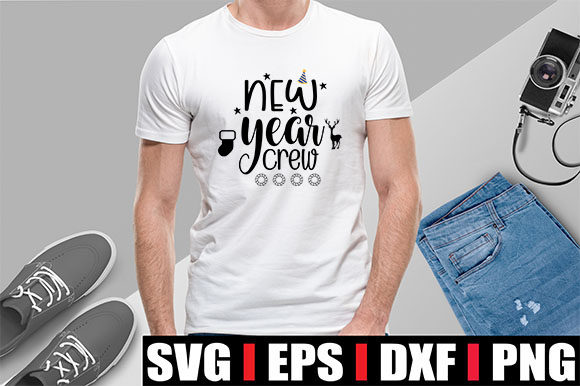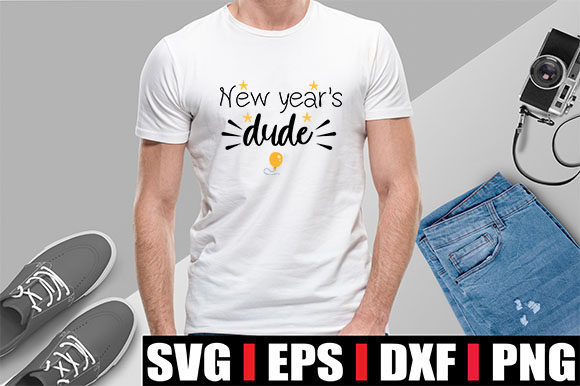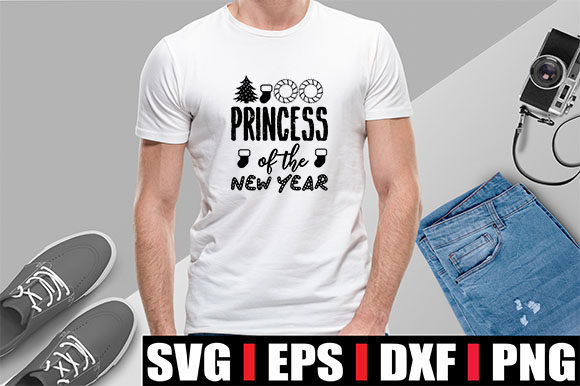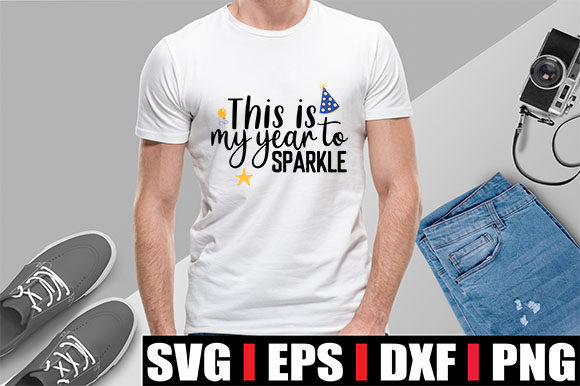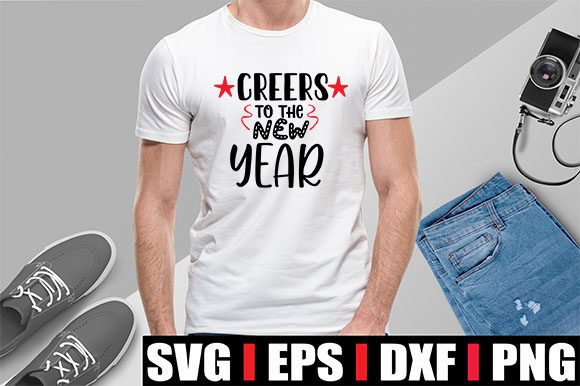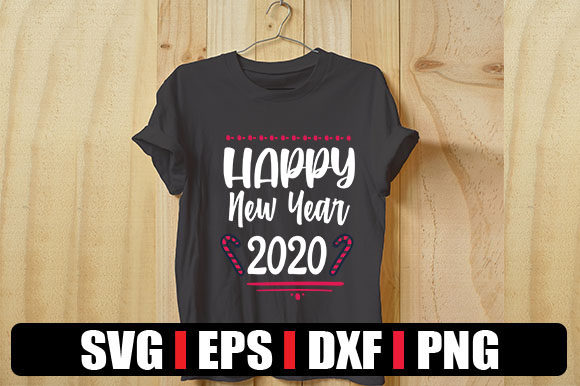
Happy New Year 2020 Graphics for T-Shirt Designs
As a brand designer who’s helped over 80 local businesses refine their visual identity—from artisanal candle makers in Portland to family-run bakeries in Austin—I recently evaluated Happy New Year 2020 not as generic clipart, but as a working graphic design asset for real small business branding. My test case? A seasonal campaign for “Hearth & Hive,” a handmade soap and skincare boutique launching limited-edition New Year gift sets.
A Festive Yet Flexible First Impression
At first glance, Happy New Year 2020 reads as warm, approachable, and intentionally celebratory—without tipping into kitsch. The lettering balances playful curves with clean structural rhythm, suggesting both handmade charm and modern polish. It leans feminine and organic rather than bold or tech-forward, making it ideal for local businesses rooted in care: florists, children’s product brands, wellness studios, and farm-to-table food labels. It doesn’t feel premium in a luxury-watch sense—but it *does* feel trustworthy, joyful, and human-scaled—exactly what builds emotional connection with neighborhood customers.
Where This Graphic Design Asset Earns Its Keep
In the Hearth & Hive project, we used Happy New Year 2020 across six tangible touchpoints—each revealing its versatility beyond typical T-shirt designs:
- Packaging design: Applied as a foil-stamped accent on kraft gift boxes and reusable cotton drawstring bags—adding instant seasonality without overwhelming the brand’s earthy palette.
- Product label: Resized and layered subtly beneath the soap name on front labels—creating visual hierarchy while reinforcing occasion-based messaging.
- Thank-you cards & hang tags: Printed in soft charcoal ink on textured recycled paper—elevating perceived value and encouraging social sharing.
- Social media graphics: Paired with lifestyle photos of bundled soaps and steaming mugs—used as hero text in Instagram carousels and Facebook event banners.
- Seasonal menu & price list: Integrated into café-style chalkboard mockups for Hearth & Hive’s pop-up at a local winter market—blending seamlessly with hand-drawn icons and serif typography.
- Printable inserts: Included as a downloadable “New Year Intentions” card inside every gift set—turning packaging into an interactive brand experience.
Real Business Impact—Beyond Decoration
This isn’t just festive filler. When applied thoughtfully, Happy New Year 2020 strengthens core branding outcomes: it sharpens first impression on crowded shelves, boosts product recognition among repeat buyers, reinforces seasonal storytelling, and adds polish to marketing visuals—all without requiring custom illustration. For handmade businesses especially, it bridges the gap between DIY authenticity and professional branding. Customers notice the difference: consistent, intentional use signals care—not just craft, but curation.
Best Fit: Contexts That Let It Shine
The asset performs strongest where celebration and warmth are strategic goals—not decorative afterthoughts. Think:
- Hero graphics on seasonal website banners or email headers
- Accent elements on product mockups (especially for Etsy, Shopify, or local market displays)
- Decorative borders on thank-you cards, stickers, or printable gift tags
- Boutique window decals or in-store signage during December–January campaigns
- Social media campaign graphics that pair well with candid, natural-light photography
- Secondary branding elements—like embroidery on aprons or tote bags for staff or gifting
Use With Intention—Not Everywhere
It’s not universal. Avoid placing Happy New Year 2020 where clarity trumps charm: on tiny ingredient labels, legal disclaimers, or minimalist luxury packaging where whitespace and restraint define the brand voice. It competes poorly against busy backgrounds or low-contrast color combinations (e.g., light gray text on beige). And while it works beautifully beside script or handwritten fonts—enhancing that handmade feel—it can visually clash with ultra-thin sans serifs or rigid editorial typefaces unless carefully balanced.
Practical Brand Designer Notes You Can’t Skip
Before committing to Happy New Year 2020 in client work or your own small business branding, run these checks:
- Test it on real packaging mockups—not just digital previews—to assess scale, legibility, and tonal harmony.
- Convert to grayscale: Does it retain impact in black-and-white print (e.g., on kraft paper or newsprint flyers)?
- Preview at 1.5x actual size on small labels—vector formats like SVG and EPS hold up, but PNG transparency must be verified.
- Layer it over your brand’s primary and secondary colors—some festive graphics bleed warmth into cooler palettes unexpectedly.
- Compare side-by-side with top three local competitors’ holiday packaging—does it stand out with distinction, not just decoration?
- Inspect SVG paths: Are strokes clean and editable? Can you adjust spacing or weight for tighter layouts?
- Test typography pairings: Try it beside serif (e.g., Playfair Display), sans serif (e.g., Montserrat), script (e.g., Pacifico), and display fonts (e.g., Bungee) to see which best supports your brand voice.
- Confirm commercial license terms—especially if applying to physical products for resale, wholesale, or client-branded merchandise.
Final Thought: A Tool, Not a Template
Happy New Year 2020 isn’t a Canva template you drop in and forget. It’s a considered graphic design asset—one that earns its place when aligned with authentic local business goals: building community trust, honoring seasonal rhythms, and presenting handmade goods with quiet confidence. Whether you’re designing for a candle brand, coffee shop, children’s clothing line, or seasonal food label, this asset works best when treated not as decoration, but as a deliberate note in your brand’s visual vocabulary. Used with intention, it doesn’t just say “Happy New Year”—it says, “We made this *for you*.”