Christmas Happy New Your
A Designer’s First Glance: Cheerful, Compact, and Slightly Quirky
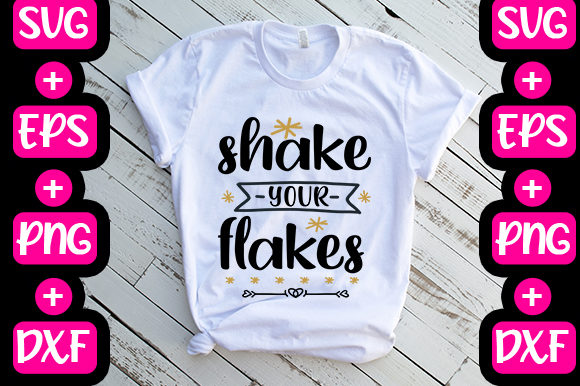
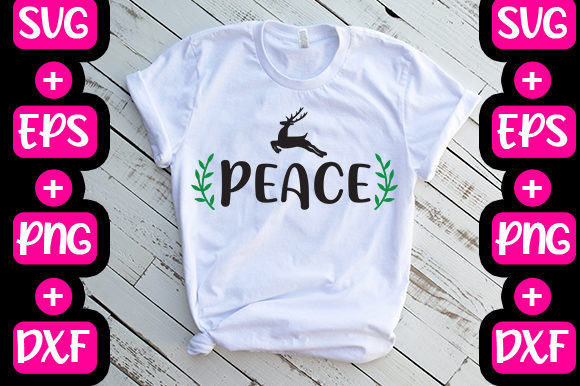
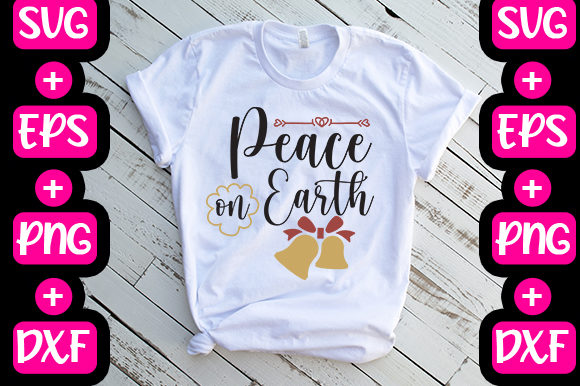
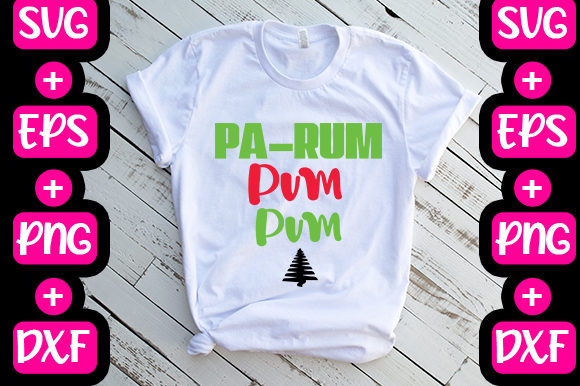
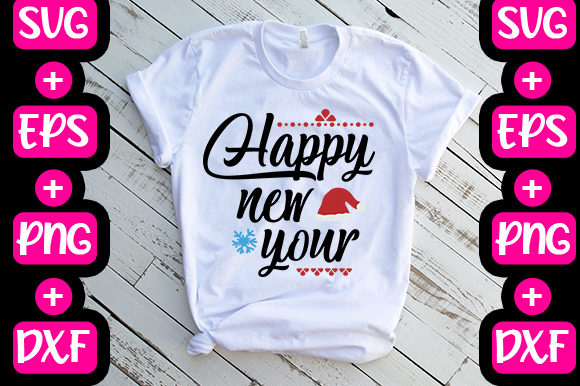
Opening Christmas Happy New Your for the first time, I smiled—not because it’s perfect, but because it feels human. It’s got that warm, hand-drawn holiday energy: rounded letterforms, gentle spacing, and a subtle festive rhythm without overloading on bells or snowflakes. The phrase itself is intentionally playful (“Happy New Your” instead of “Year”), which makes it memorable—but also demands attention to context. This isn’t a formal greeting card script; it’s a wink in thread form. For embroidery, that means it leans into charm over precision, and works best where personality matters more than polish.
Real-World Test: Embroidering It on a Linen Kitchen Towel
Last week, I stitched Christmas Happy New Your onto a natural linen tea towel—intended for a small-batch holiday gift set sold at our local makers’ market. I used a medium-weight cutaway stabilizer, 40-weight rayon thread, and a 4-inch hoop. The design fit cleanly inside the hoop with breathing room, and the letter height (roughly 2.75 inches tall) gave clear legibility without dominating the fabric. Customers loved the lighthearted phrasing—it sparked conversations, and several asked if we’d do matching oven mitts. That’s the real win: Christmas Happy New Your doesn’t just decorate—it invites connection.
Where It Shines—and Where It Needs Care
This design excels in projects where warmth and approachability are part of the brand voice:
- Custom apparel: Works beautifully on crewneck sweatshirts (left-chest placement), cotton tote bags, and unisex aprons—especially when paired with minimal stitching elsewhere.
- Baby and nursery items: Softened with pastel thread on organic cotton onesies or muslin pillow covers, it reads as sweet rather than silly.
- Holiday gifts & boutique merchandise: Ideal for embroidered patches, tea towels, kitchen linens, and small-batch holiday cards with stitched accents.
- Digital product use: As a Graphics asset, its clean vector outlines (SVG, EPS) scale well for printable mockups—great for Etsy sellers previewing on mugs, notebooks, or digital listings.
But it’s not universally forgiving. Here’s where to pause:
- Small hoop sizes (under 3.5 inches): Letter spacing tightens visually—test before committing to caps or kids’ hats.
- Textured or stretchy fabrics: On terry cloth towels or lightweight jersey tees, stitch density can cause puckering if stabilizer choice isn’t dialed in.
- Dark or heavily printed backgrounds: The design lacks heavy outlines or shadow layers, so contrast relies entirely on thread color. Always test black thread on navy fabric—or white on charcoal—before full production.
- Tiny details: There’s no fine-line flourishes or micro-decorative elements, which is a strength for reliability—but means it won’t satisfy clients looking for ornate, heirloom-level embroidery.
What It Adds to Your Finished Product
Used thoughtfully, Christmas Happy New Your lifts perceived value—not through complexity, but through intention. It signals that your handmade product has been curated, not just assembled. On a custom embroidered tote bag? It feels like a shared inside joke between maker and buyer. On a baby onesie? It’s nostalgic and fresh at once. For an Etsy seller listing T-Shirt Designs, this file bridges seasonal demand and evergreen appeal—it’s holiday-specific enough to drive Q4 traffic, but flexible enough to rework into “Happy New You” for wellness-themed spring launches.
It also builds trust. Because the layout is balanced and the kerning consistent, it stitches cleanly across machines—even older models with less aggressive auto-trimming. No floating letters. No tangled satin-stitch corners. That consistency tells customers you’re detail-oriented, even when the vibe is relaxed.
Practical Designer Notes Before You Stitch
Before adding Christmas Happy New Your to your next client project or shop inventory, take these five minutes:
- Test on scrap fabric first—especially if using textured weaves, knits, or blends. Watch how fill stitches settle into the grain.
- Check thread color contrast in both natural and artificial light. A gold thread may glow under string lights but fade on camera.
- Review stitch density in your embroidery software. If it’s dense in the center letters, consider reducing density by 5–8% for lightweight fabrics.
- Confirm hoop size compatibility—not all machines handle wider horizontal layouts smoothly, especially on curved surfaces like caps.
- Verify licensing for commercial use. Since it’s listed as a Graphics file with uses spanning vinyl, decals, and paper crafts, confirm whether resale of stitched items or digital redistribution is permitted.
Final Thought: A Design That Fits Like a Well-Worn Sweater
Christmas Happy New Your won’t wow with technical fireworks—but then, it’s not trying to. It’s the kind of embroidery file that disappears into the object it’s on, making the *product* feel personal, the *gift* feel considered, and the *brand* feel authentically human. Whether you’re stitching it onto a holiday apron for your café pop-up, prepping a batch of embroidered patches for craft fair booths, or building a cohesive holiday collection for your Etsy shop, this design earns its place by being quietly reliable and unmistakably joyful. Just remember: its strength lies in context, contrast, and care—not just clicking “embroider.”