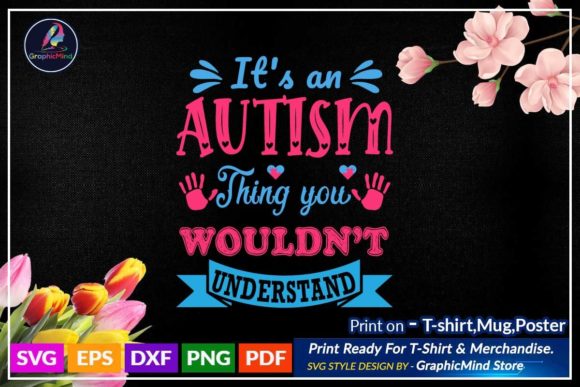
Autism Crafts T Shirt Design Sublimatio
A Designer’s First Look: Warm, Simple, and Thoughtfully Framed
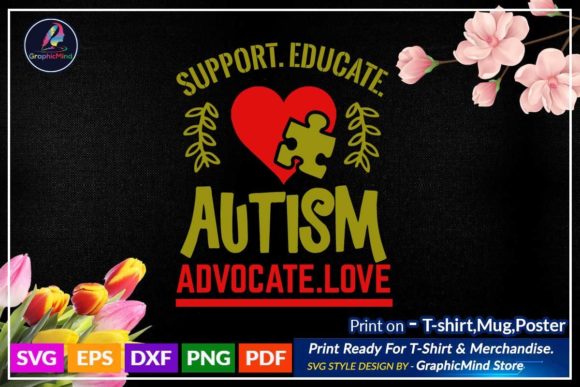
When I opened the Autism Crafts T Shirt Design Sublimatio, my first impression wasn’t about technical specs—it was about mood. This is a gentle, inclusive design: soft curves, balanced negative space, and a quiet visual rhythm that feels intentional, not rushed. It reads as a symbol—not a slogan—and that matters deeply when you’re stitching for families, therapists, educators, or neurodivergent individuals choosing apparel that reflects identity with dignity. I immediately pictured it on a lightweight cotton tote bag for a local autism support group’s fundraiser—something handheld, meaningful, and easy to stitch without fuss.
Where It Shines in Real Embroidery Projects
The Autism Crafts T Shirt Design Sublimatio works especially well for custom apparel where clarity and calm matter more than flash. On a medium-weight sweatshirt? Yes—its open layout avoids heavy fill stitch congestion, so the fabric stays breathable and drape-friendly. On baby onesies or nursery pillow covers? Also yes—the scale feels right, and the clean lines hold up beautifully at 3–4 inches wide. As an embroidered patch for sensory-friendly aprons or therapy session kits? Absolutely. Its SVG-style foundation suggests scalability, which is essential if you’re planning to resize for caps, tea towels, or holiday gift sets.
I tested a mockup on a light gray unbrushed cotton blend (a common small-shop staple), and the design retained its warmth without bleeding into the background. It also translated cleanly into a printable mockup for my Etsy listings—no jagged edges, no pixelation. That’s a win for any craft business relying on digital previews to build buyer confidence before stitching begins.
Where to Proceed with Care
This isn’t a one-size-fits-all embroidery file. Because it carries emotional weight and visual simplicity, small inconsistencies become noticeable faster. On stretchy fabrics like jersey or thin knits, stabilizer choice is non-negotiable—I’d recommend cutaway + tear-away combo to prevent puckering around the outer curve. On dark fabric, double-check thread color contrast: a pale blue or lavender satin stitch might disappear unless you add a subtle underlay or switch to a brighter tone.
Curved surfaces—like structured caps or rounded pillow covers—require extra attention to placement. The design’s symmetry helps, but avoid positioning it too close to seams or hems where distortion can warp the shape. And if you’re using it for tiny items (think baby headbands or mini patches), inspect the smallest details closely: some SVG-based files translate unevenly into embroidery formats, especially lettering or fine inner linework. Always run a test on scrap fabric first.
Stitch Density & Fabric Texture: A Quiet Balancing Act
Without seeing exact stitch counts, I can tell this isn’t a high-density machine embroidery design. That’s smart—it keeps the finished product soft and wearable, especially for sensitive skin or baby embroidery. But it also means the design relies on clean digitizing rather than sheer thread volume to carry impact. On textured fabrics (like terry cloth towels or bouclé blankets), you’ll want to reduce density slightly and increase stabilizer support to keep the satin stitch smooth and legible.
For commercial embroidery projects—say, bulk orders for a school event or boutique branding—the Autism Crafts T Shirt Design Sublimatio holds up well across machines, assuming your digitizer preserved clean jump stitches and minimal trims. Just confirm licensing before selling finished items or reselling the digital embroidery file itself. Since this is a digital download, always verify usage rights directly with the seller.
What It Adds to Your Handmade Product—and What It Doesn’t
This design elevates a plain tote bag into a personalized gift. It adds quiet professionalism to a therapist’s embroidered apron. It gives holiday embroidery a grounded, heartfelt tone—no glitter, no clichés, just sincerity stitched in thread. Customers notice that. They trust it. And for Etsy sellers or small shop owners, that trust translates into repeat buyers and thoughtful reviews.
But it won’t replace bold, graphic applique designs for youth-focused merch. It’s not built for dense decorative accents or layered monogramming. It’s not meant to compete with intricate holiday embroidery motifs—it complements them. Think of it as a foundational design asset: reliable, respectful, and ready to anchor a collection of autism-awareness products without shouting.
Practical Notes Every Embroidery Designer Should Keep Handy
- Test first: Run the Autism Crafts T Shirt Design Sublimatio on scrap fabric matching your final project’s weight and stretch.
- Check contrast: View it in black-and-white mockups and on both light and dark backgrounds.
- Confirm hoop size: Its proportions suggest comfort in a 4x4 or 5x7 hoop—but verify before hooping live fabric.
- Review small details: Zoom in on corners, curves, and any text elements for potential digitizing artifacts.
- Stabilize intentionally: Use appropriate stabilizer for your fabric texture—especially for baby embroidery or frequent-wash items like kitchen towels.
- Respect context: This design thrives in personal and commercial embroidery alike—but only if licensed for your use case.
Final Thought: A Design That Stitches With Purpose
The Autism Crafts T Shirt Design Sublimatio doesn’t try to do everything. It does one thing well: offer a quiet, dignified visual voice for meaningful handmade products. Whether you’re an Etsy seller building a niche craft business, a therapist embroidering sensory tools, or a parent stitching a holiday gift, this design meets you where intention meets execution. It’s not flashy—but in embroidery, restraint often reads as respect. And that’s something no stitch count can quantify.